

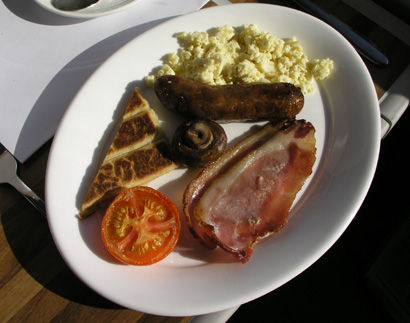
EAST Coast will abolish its last restaurant cars later next month, ending a tradition on the route which dates back to 1879, but apparently they won’t be greatly missed.
The operator’s managing director said very few comments have been received about the change of catering policy from 22 May, which will see complimentary food served at First Class seats instead.
The route, then owned south of the border by the Great Northern Railway, saw Britain’s first restaurant cars introduced on Leeds services in 1879, although on-board catering spread only slowly until after the turn of the century.
Full on-board meal services have been declining since the 1950s, although GNER was still maintaining restaurant cars on more than 90 trains a day until 2006. Its successor National Express trimmed the service slightly after inheriting the franchise, but most trains soon lost their dedicated dining areas in favour of at-seat meals in First Class. These, however, were not free.
Next month’s reforms will remove the last cars, which have survived until now on a handful of peak hour trains.
Instead, all passengers in First will be offered complimentary food at their seats, following a practice established by Virgin on the West Coast route almost a decade ago.
East Coast managing director Karen Boswell said she had received very few comments about the forthcoming changeover, although it is being opposed by Halifax Labour MP Linda Riordan, who set down a Parliamentary Early Day Motion criticising the move earlier this year.
Ms Boswell, however, does not seem likely to change her mind. She explained: “We want to increase the differential between First and standard by adding to the benefits of travelling First, which can be done at bargain rates by booking in advance. I have seats to fill, and our new timetable in May adds 19 trains a day as well as direct services to Lincoln and an early morning four-hour journey from Edinburgh to London, calling at Newcastle, which we are naming ‘The Flying Scotsman’.
“It's an exciting time for East Coast, particularly now that EasyJet has withdrawn its flights between London Stansted and Newcastle. Rail is increasing its market share decisively, and we believe it’s a trend which will continue.”
New figures from ATOC show that East Coast’s market share between Edinburgh and London grew from 21 per cent in 2008 to 27 per cent last year, while its share on the Newcastle–London route increased from 59 per cent in 2008 to 64 per cent.
East Coast is currently run by the Department for Transport’s company Directly Operated Railways, following the withdrawal of National Express from the franchise in November 2009.
The operation should have been poised to return to the private sector by now, but following a change of plan the Department is now hoping to withdraw from the route in favour of a new franchisee in late 2012.
Meanwhile, the British restaurant car still survives – just – on four First Great Western trains each day. The company said it had no plans to withdraw them.